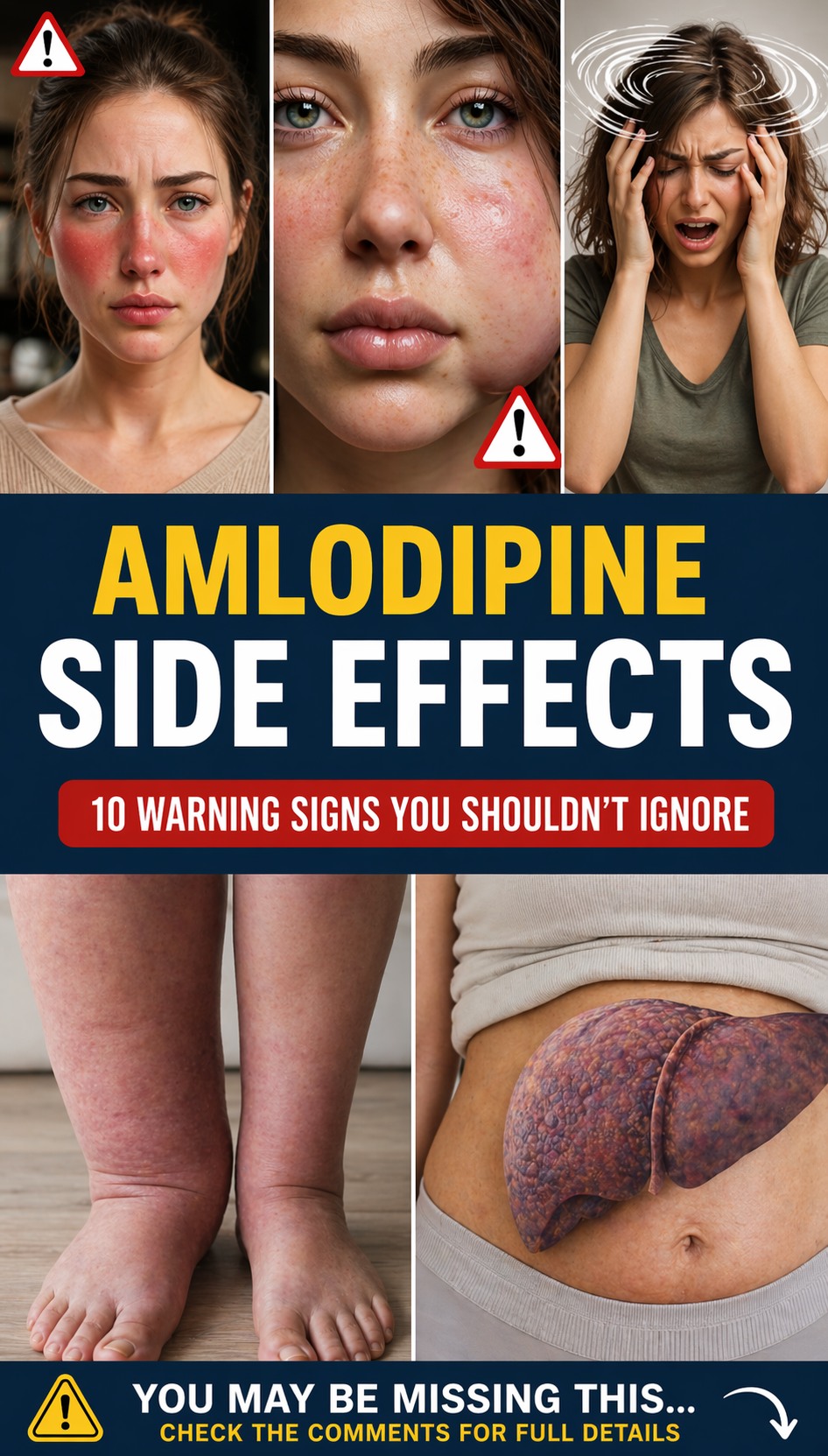
Always err on the side of caution with new or worsening symptoms. Seek medical advice right away for severe dizziness, chest pain, difficulty breathing, swelling of the face/lips, or signs that concern you. Your provider may adjust the dose, suggest a different medication, or add supportive measures.
Conclusion
Living with amlodipine means balancing its benefits for blood pressure management with awareness of potential side effects. The top 12 effects—from common swelling and headaches to less frequent issues—don’t have to derail your days when you know what to expect and how to respond. By tracking symptoms, making simple adjustments, and staying in touch with your healthcare team, you can feel more in control.
Remember, everyone’s experience is unique. What works well for one person may need tweaking for another.
FAQ
1. What is the most common side effect of amlodipine? Peripheral edema (swelling in the ankles and feet) is one of the most frequently reported, especially at higher doses. Many find relief with simple elevation and dietary tweaks.
2. Do amlodipine side effects go away? For many people, mild effects like headaches, flushing, and dizziness improve within the first week or two as the body adjusts. Others, like swelling, may need ongoing management or dose changes.
3. Can I stop taking amlodipine if I have side effects? Never stop suddenly on your own, as this can cause blood pressure to rise quickly. Always discuss concerns with your doctor so they can guide safe next steps, whether that’s adjusting the dose or exploring alternatives.
Disclaimer: This article is for informational purposes only and is not a substitute for professional medical advice. Always consult your healthcare provider before making any changes to your medication or treatment plan. Side effects can vary widely between individuals.