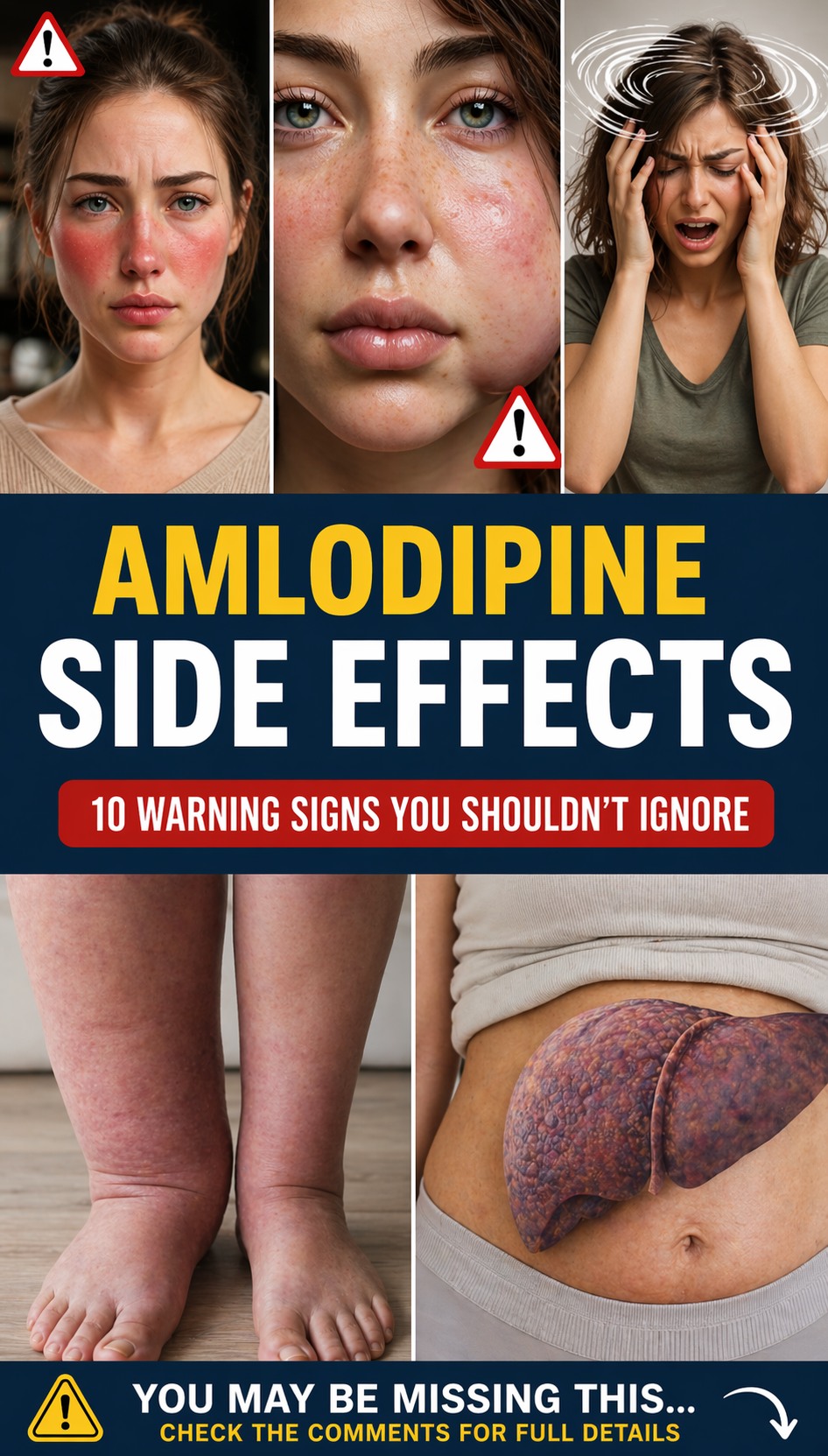
Here’s a closer look at 12 key side effects, grouped for easier reading:
Common and Often Noticeable Effects
- Ankle and Leg Swelling (Edema) – Fluid buildup makes shoes tighter and legs feel heavy. Elevating your legs can provide relief in many cases.
- Headaches – Ranging from mild pressure to more noticeable discomfort, often linked to blood vessel changes.
- Dizziness – Especially when changing positions; studies note this in clinical trials.
- Facial Flushing – A sudden warmth or redness that may feel embarrassing but is usually short-lived.
- Fatigue – Persistent tiredness that can affect energy levels throughout the day.
Other Frequently Reported Effects
- Nausea or Stomach Discomfort – Mild upset stomach or abdominal pain that may settle with food.
- Heart Palpitations – Feeling like your heart is racing or skipping beats; this is often mild but worth monitoring.
- Gum Swelling or Tenderness (Gingival Issues) – Some people notice changes in their gums over time, especially with longer use. Good oral hygiene plays a big role here.
Less Common but Worth Watching
- Skin Reactions – Rash, itching, or other changes on the skin.
- Muscle Issues – Cramps, stiffness, or weakness in some cases.
- Sleepiness or Drowsiness – Feeling more tired than usual, which can overlap with fatigue.
- Rare but Serious Signs – Such as severe shortness of breath, chest pain, irregular heartbeat, or yellowing of the skin/eyes (possible liver concerns). These are uncommon but require prompt medical attention.
Here’s a quick comparison to help you remember:
| Side Effect | How Common | Typical Timing | What Often Helps |
|---|---|---|---|
| Leg/Ankle Swelling | Very Common | First few weeks | Elevate legs, reduce salt |
| Headache | Common | Early on | Rest, fluids, OTC pain relief (ask pharmacist) |
| Dizziness | Common | When standing | Rise slowly, stay hydrated |
| Flushing | Common | Intermittent | Avoid triggers like alcohol/spicy food |
| Fatigue | Common | Ongoing initially | Consistent sleep, light activity |
Many sources, including clinical overviews, confirm that most side effects are dose-dependent and may lessen with time or adjustments.

Actionable Tips to Help Manage Side Effects
You don’t have to just “live with it.” Here are practical steps many people find useful:
- Track Your Symptoms — Keep a simple daily note of when side effects occur, their severity, and any triggers (like diet or activity). Share this with your doctor at your next visit.
- Lifestyle Adjustments for Swelling — Elevate your legs above heart level for 15-30 minutes several times a day. Cut back on salty foods and consider compression socks if recommended.
- Timing Matters — Some people find taking the medication at bedtime reduces daytime dizziness or fatigue—talk to your provider before changing.
- Stay Hydrated and Active — Drink plenty of water (unless restricted) and incorporate gentle walking to support circulation.
- Oral Care Routine — Brush and floss regularly, and schedule dental check-ups. Mention your medication to your dentist.
- Avoid Sudden Changes — Rise slowly from sitting or lying down to minimize dizziness. Limit alcohol, as it can worsen flushing or dizziness.
- When to Reach Out — Contact your healthcare provider if side effects persist, worsen, or interfere with daily life. Never stop the medication suddenly without guidance, as this can affect blood pressure control.
Research suggests that combining lifestyle habits with open communication often leads to better tolerance.
Here’s the interesting part: While side effects can feel frustrating, many people discover that small, consistent changes—like better leg elevation or timing adjustments—make a noticeable difference without major disruption.