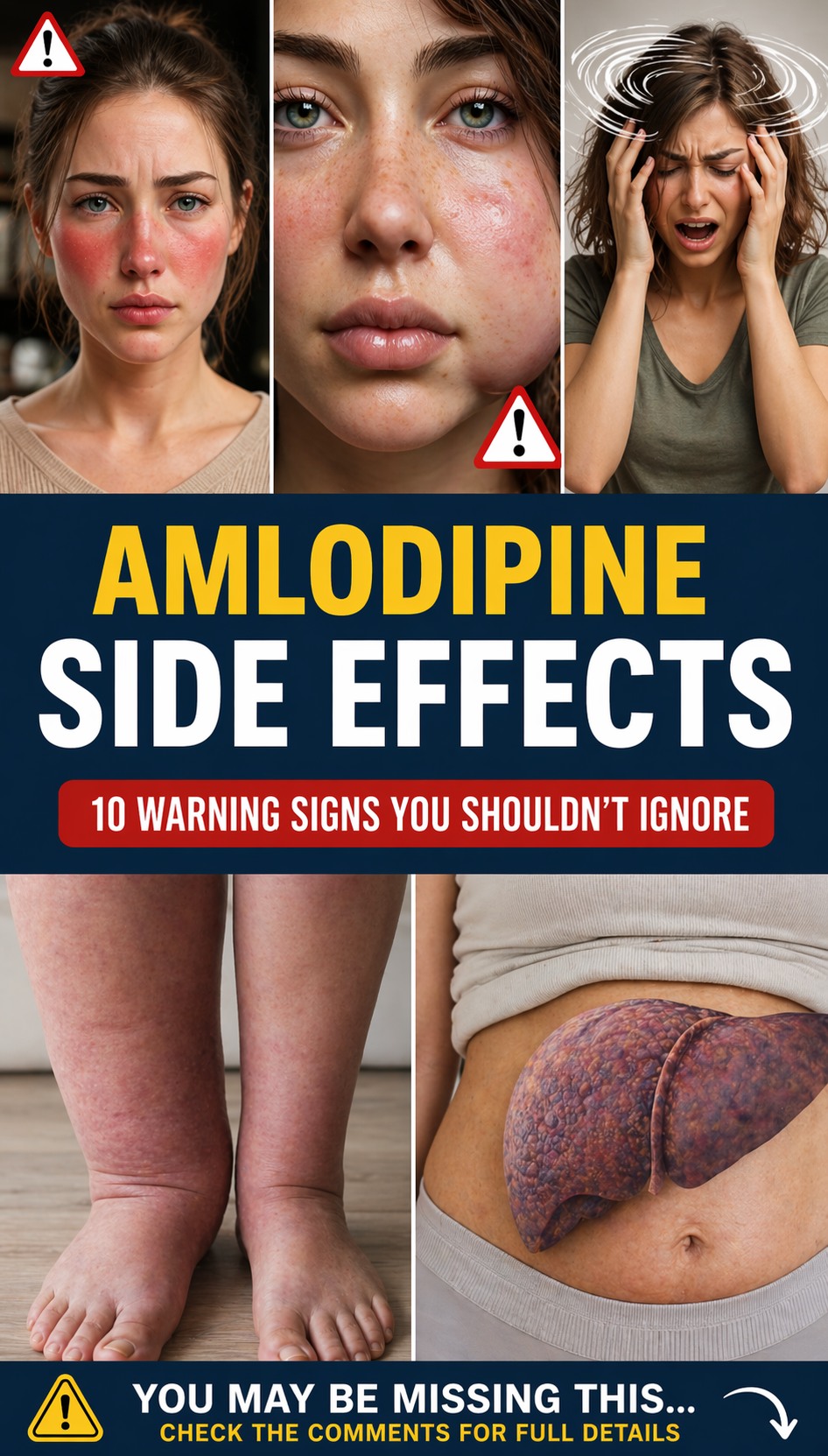
You’re taking amlodipine to help manage your blood pressure, but suddenly your ankles look puffy, your face feels warm and flushed, or you’re battling constant fatigue that makes even simple tasks feel exhausting. These changes can sneak up on you and leave you wondering if the medication is doing more harm than good. Many people experience these issues in the first few weeks, and while some ease over time, others linger and affect daily life. The good news is that understanding what’s happening can help you spot patterns early and have more informed conversations with your healthcare provider.
But here’s what most people miss: some side effects aren’t always discussed in detail during quick appointments, yet they show up in real-world experiences and studies. In this guide, we’ll walk through the top 12 side effects of amlodipine in a clear, straightforward way—so you know what to watch for and simple steps that may help you feel more comfortable while staying on track with your treatment.
What Is Amlodipine and Why Do Side Effects Happen?
Amlodipine is a calcium channel blocker commonly prescribed for high blood pressure and chest pain (angina). It works by relaxing blood vessels so blood can flow more easily. However, this relaxation can also affect other parts of the body, leading to fluid shifts, changes in blood flow, and other responses.
Research and patient reports show that side effects are often dose-related and more noticeable when first starting or increasing the dose. Many are mild and improve as your body adjusts, but knowing the details empowers you to track symptoms and seek timely advice.
The Most Common Amlodipine Side Effects
Here are some of the frequently reported effects that many people notice:
- Swelling (Peripheral Edema): This is one of the most talked-about issues, especially in the ankles, feet, and lower legs. Studies indicate it can affect up to 10-15% of users, particularly at higher doses, and is more common in women.
- Headaches: Often mild at first and may improve after the initial week or two.
- Dizziness or Lightheadedness: This can happen when standing up quickly due to blood pressure changes.
- Flushing: A warm, red feeling in the face, neck, or chest that comes and goes.
- Fatigue or Tiredness: Feeling unusually worn out, even after rest.
These effects are generally manageable, but they can still disrupt your routine.
Bucket Brigade: But that’s not the full picture—some side effects are less obvious yet still important to recognize.