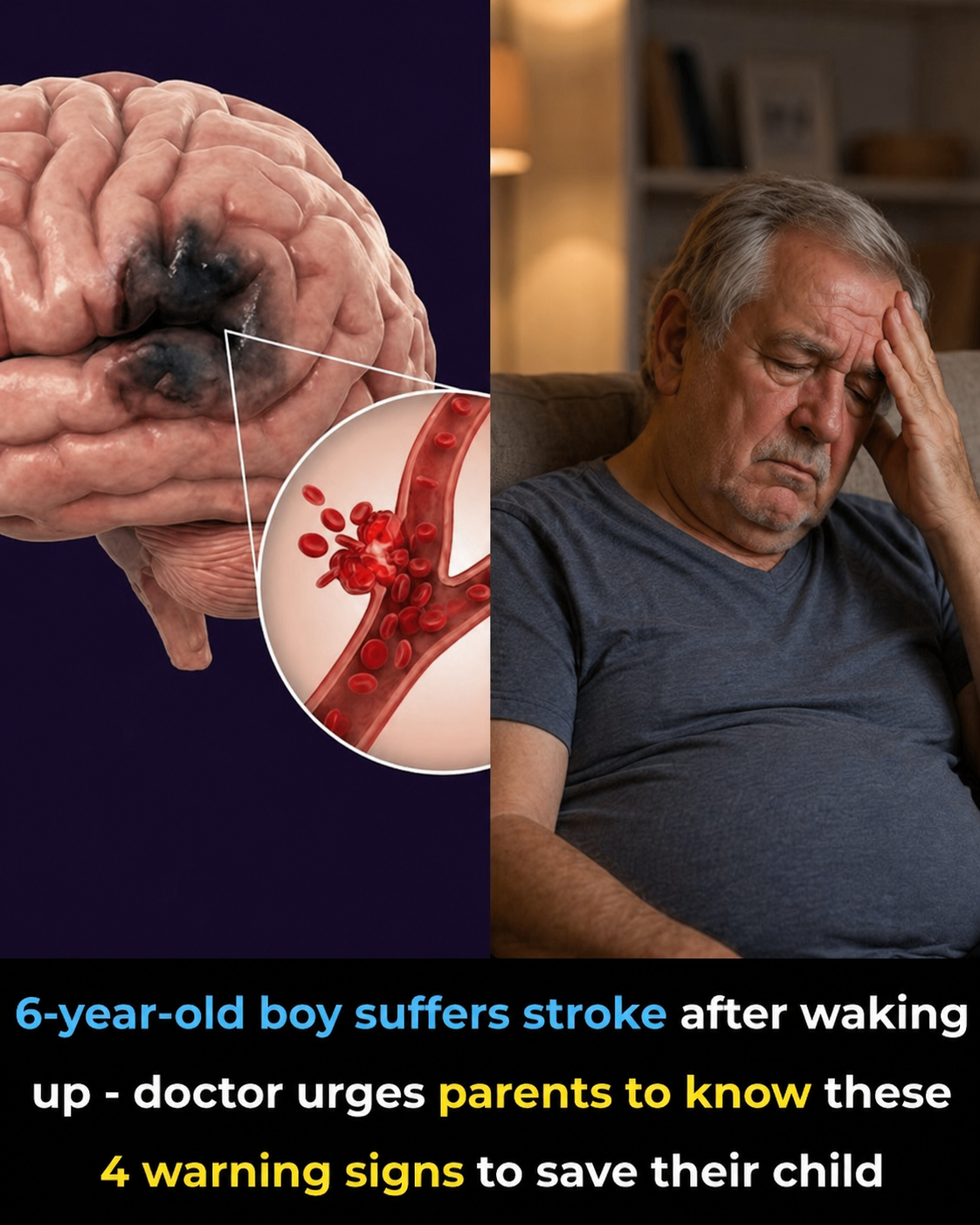
A person experiencing a stroke may suddenly feel dizzy, lose balance, or have trouble walking. They might appear clumsy, stumble without reason, or feel as if the room is spinning.
These symptoms are often dismissed as fatigue, dehydration, or low blood pressure. However, sudden balance problems can indicate that the brain regions controlling coordination and movement are under stress or being damaged.
If someone cannot stand steadily or walk normally, urgent medical attention is required.
4. Extreme Fatigue, Confusion, or Unusual Behavior
In adults, severe and unexplained fatigue can sometimes be an early warning sign. A person may feel overwhelmingly tired, confused, or mentally foggy. They might behave differently, forget simple things, or struggle to stay alert.
In some cases, unusual drowsiness or confusion happens before more obvious stroke symptoms appear. These changes may seem minor at first but can signal that the brain is not receiving enough oxygen due to a blockage in blood flow.
A Call to Awareness and Action
The 50-year-old man mentioned earlier survived his stroke because his family recognized that something was wrong and acted quickly. After receiving prompt treatment, he is now recovering with the help of rehabilitation and lifestyle changes. His experience serves as a powerful reminder that strokes do not only affect the elderly. Middle-aged adults—especially those under stress or dealing with chronic fatigue—are also at risk.
Doctors emphasize that every minute matters during a stroke. Brain cells can be damaged quickly when blood flow is blocked, which is why early treatment is critical.
Learning these warning signs can help protect yourself, your family members, and the people around you.
Remember:
If you ever notice any of these four signs—sudden weakness, speech problems, balance issues, or unusual confusion—do not wait or hope the symptoms will pass. Call emergency services immediately.
Early action can mean the difference between full recovery and long-term disability.