50-Year-Old Man Suffers Stroke After Waking Up – Doctors Urge Families to Know These 4 Warning Signs That Could Save a Life
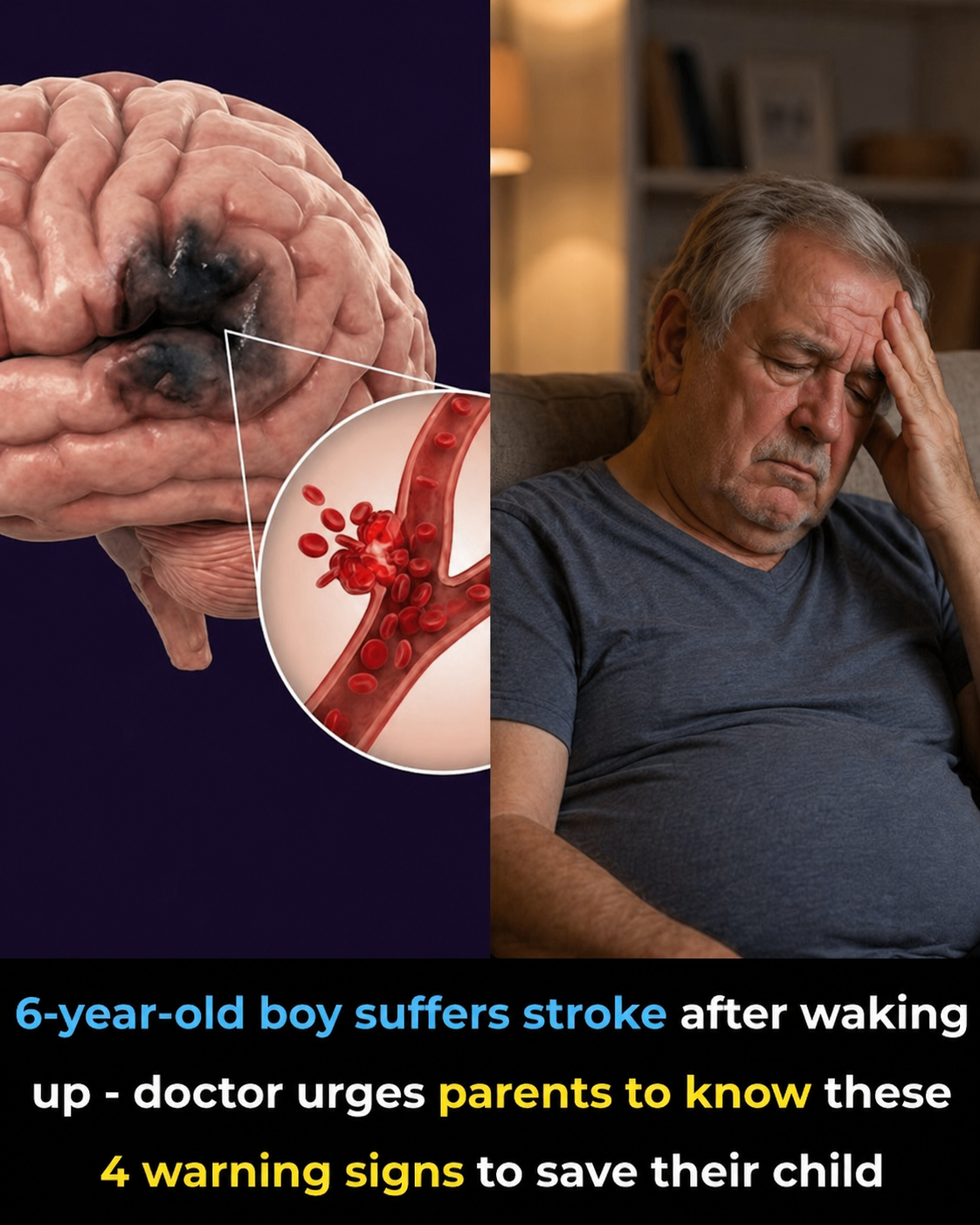
When we think of strokes, we often picture very elderly patients or people with severe medical conditions. But strokes can also affect adults who appear relatively healthy, especially those dealing with stress, fatigue, high blood pressure, or unhealthy lifestyles. One recent case involving a 50-year-old fatigued man who suffered a stroke shortly after waking up has raised serious concern among doctors and families alike.
The man, who had been feeling unusually tired for several weeks, suddenly collapsed at home with weakness on one side of his body shortly after getting out of bed. At first, his family thought he was simply exhausted or dizzy. However, when they noticed that he could not move his arm properly and struggled to speak clearly, they quickly called emergency services. Thanks to their fast reaction and awareness of the warning signs, he was taken to the hospital in time to receive life-saving treatment.
Doctors now stress that recognizing the early symptoms of a stroke is critical for adults of all ages—not just seniors. Acting quickly can significantly improve recovery and reduce the risk of permanent disability.
Strokes in middle-aged adults are more common than many people realize.
Health experts report that thousands of adults in their 40s and 50s experience strokes every year. Many cases are linked to factors such as high blood pressure, diabetes, smoking, chronic stress, poor sleep, dehydration, and long working hours. Unfortunately, symptoms are sometimes ignored because people assume they are just tired or overworked.
The earlier a stroke is identified and treated, the better the chance of recovery and the lower the risk of long-term damage.
Here are the four critical warning signs everyone should know:
1. Sudden Weakness or Numbness – Especially on One Side of the Body