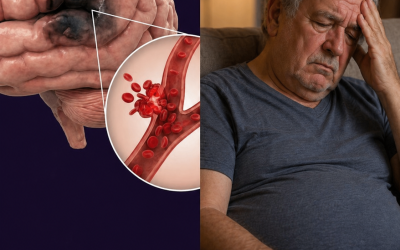
oxygen levels drop
the brain sends alarm signals
the heart rate suddenly increases
This cycle can repeat dozens of times during the night, placing constant stress on the cardiovascular system.
Sleeping on your side and slightly elevating your head can help keep airways open.
1. Taking blood pressure medication at the wrong time
The most important mistake relates to the timing of certain medications, especially those used to control blood pressure.
For decades, many people have taken these medications in the morning out of habit.
However, some studies suggest that in certain patients, taking them at night may better control blood pressure during sleep—when many cardiovascular events occur.
This does not mean everyone should change their medication schedule on their own.
But it is important to consult a doctor about the best timing, as each case is different.
Tips to protect your heart at night
To reduce risks while sleeping, specialists recommend adopting simple habits:
eat dinner at least 3 hours before bedtime
reduce fluid intake before sleep
keep the bedroom cool and well-ventilated
sleep on your side if you snore or have breathing issues
follow medical instructions for medications
maintain a regular sleep routine
avoid alcohol and heavy meals at night
consult a doctor if you have loud snoring or breathing pauses
It’s also advisable to have regular medical checkups, especially after age 60.
Many people believe the most dangerous time for the heart is during the day. But in reality, nighttime can be one of the most delicate periods for the body.
Small bedtime habits that seem insignificant can make a big difference in cardiovascular health.