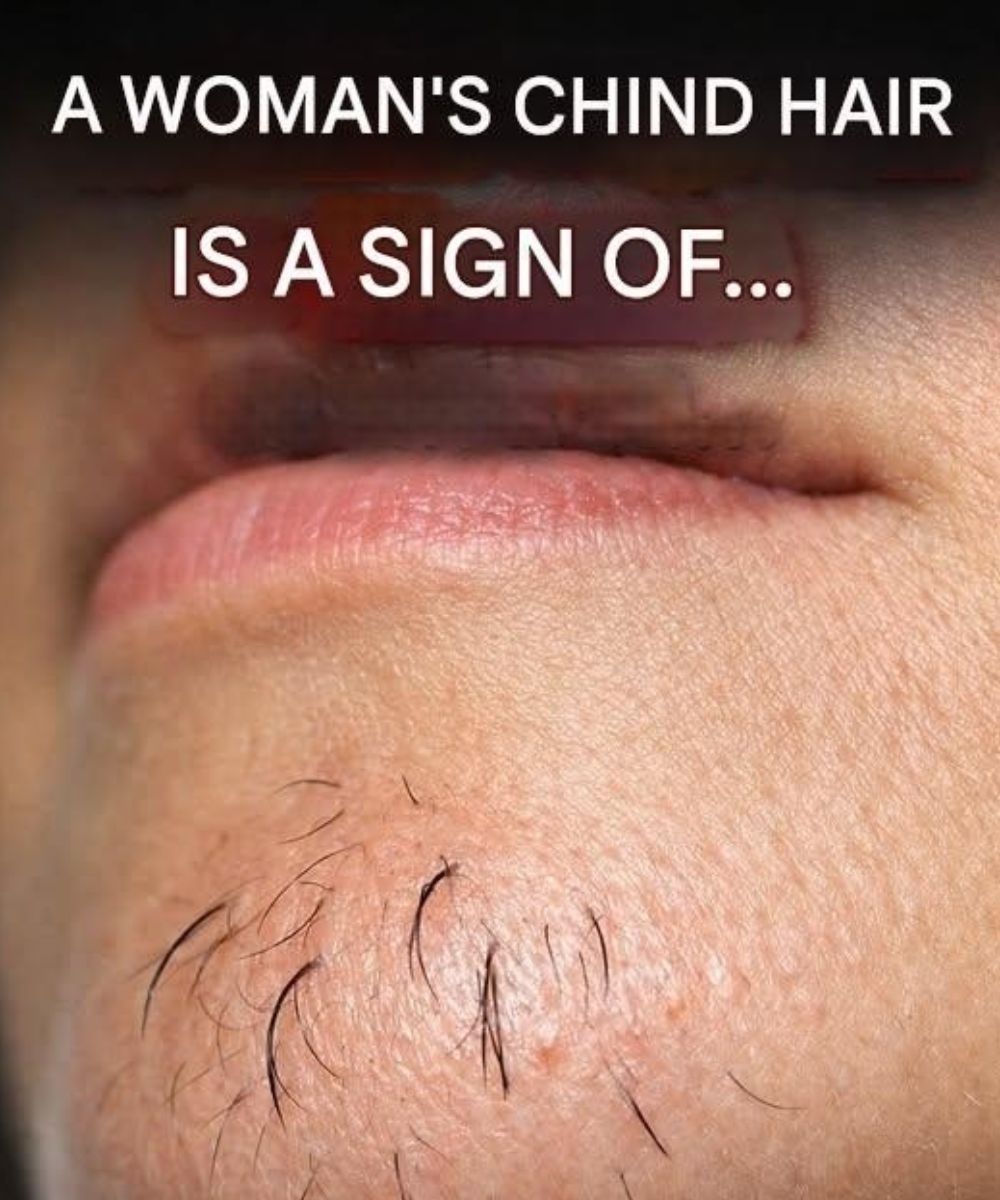
Chin hair growth in women is often linked to hormones, but everyday factors like stress and diet also play a major role. While a few facial hairs are completely normal, sudden or excessive growth can signal that your body is out of balance. Understanding how lifestyle habits influence your hormones can help you manage these changes more effectively.
1. The Impact of Stress on Hormones
Stress is one of the most common yet overlooked causes of hormonal imbalance. When your body is under constant pressure, it produces higher levels of cortisol, known as the stress hormone. Elevated cortisol can disrupt the balance between estrogen and androgens.
Androgens are hormones that stimulate hair growth, particularly in areas like the chin. When these hormones become more active, chin hair may grow thicker, darker, or faster than usual. Over time, chronic stress can also affect sleep, increase inflammation, and weaken your body’s ability to regulate itself—making these symptoms more noticeable.
2. How Diet Influences Chin Hair Growth

Diet plays a crucial role in regulating hormones. Foods high in sugar and refined carbohydrates can cause spikes in insulin levels. High insulin can stimulate the production of androgens, which may lead to increased facial hair growth.
This connection is often seen in conditions like Polycystic Ovary Syndrome, where insulin resistance and elevated androgen levels are closely linked.
On the other hand, a balanced diet can help stabilize hormones. Foods rich in fiber, healthy fats, and lean protein support blood sugar control and reduce inflammation. Nutrients found in vegetables, fruits, whole grains, and omega-3 fatty acids can promote better hormonal balance and improve overall skin and hair health.