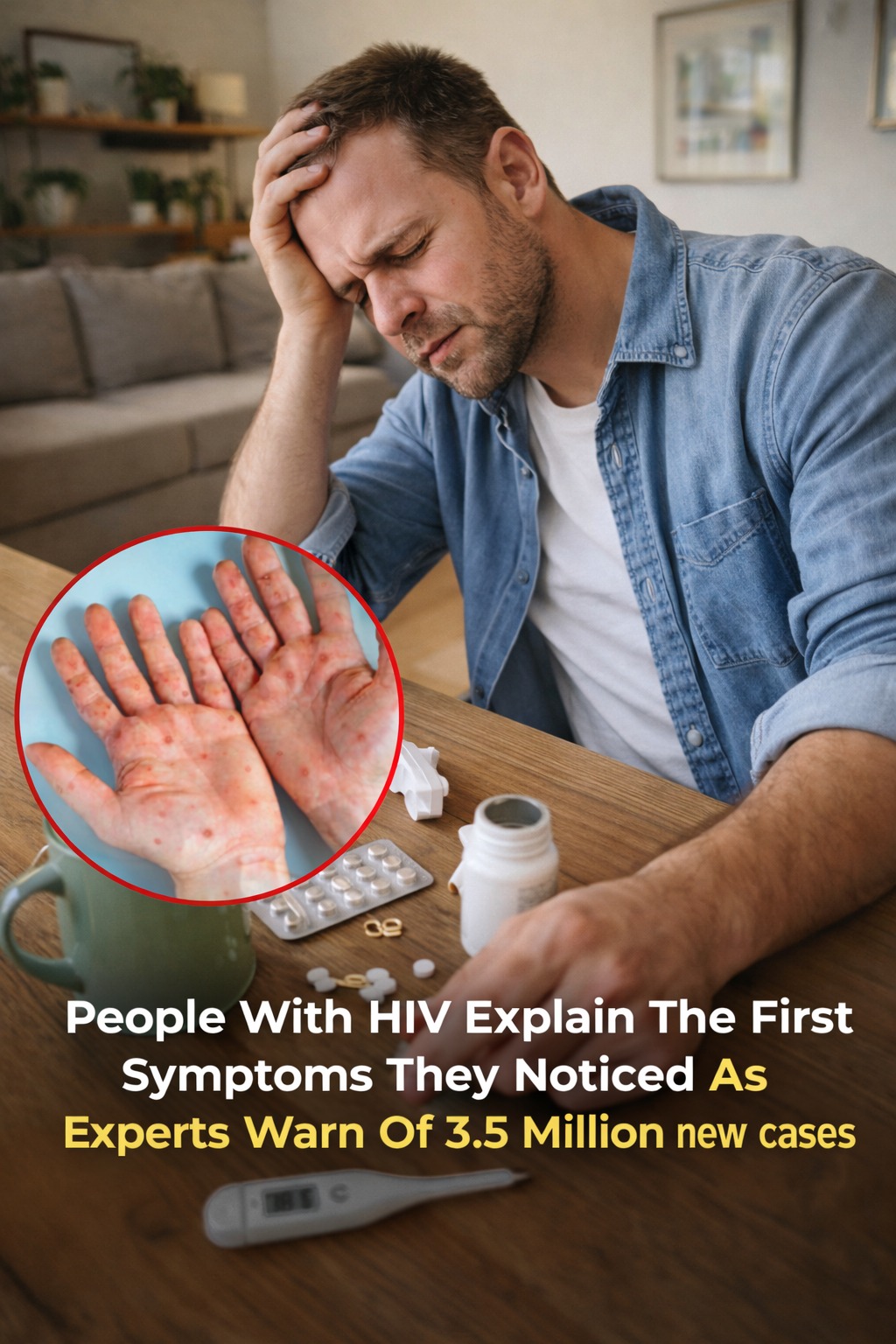
- Monitor your body daily: Check for rashes, swollen nodes, and sudden fatigue.
- Keep a health diary: Record any unusual symptoms and their duration.
- Seek early testing: If multiple early symptoms appear, schedule an HIV test.
- Prioritize immune health: Sleep, balanced nutrition, and avoiding stress support your immune system.
- Consult a doctor promptly: Never self-diagnose; professional guidance ensures early detection and care.
Common Misconceptions (FAQ)
Q1: Can HIV symptoms appear immediately?
No. Most people experience early signs 2–4 weeks after exposure, which can resemble common illnesses.
Q2: Are skin rashes always visible in early HIV?
Not always. Some rashes are subtle or located on areas not easily seen. Persistent rashes combined with other symptoms should prompt testing.
Q3: Does feeling healthy mean I don’t have HIV?
Not necessarily. Some individuals show no symptoms for months. Early testing is the only reliable method for confirmation.
Disclaimer: This article is for informational purposes only and does not replace professional medical advice. Always consult a healthcare provider for concerns regarding HIV or any other health condition.