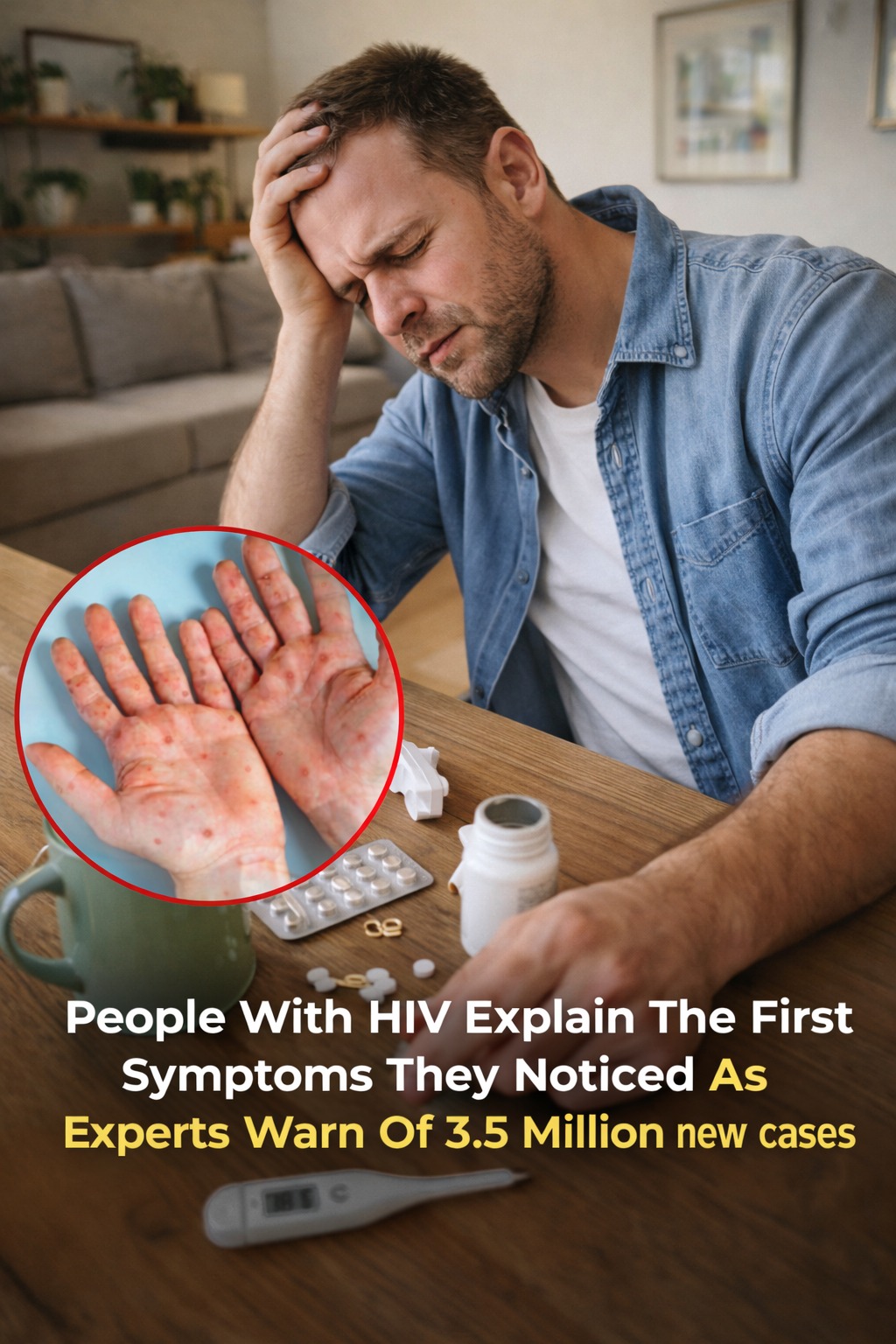
Imagine noticing strange rashes on your hands or feeling constantly drained, but dismissing it as stress or seasonal flu. Many people do—and sometimes, it’s the first sign of something far more serious. The early symptoms of HIV can be subtle, easily mistaken for everyday illnesses, yet recognizing them early is crucial. In this article, we’ll break down the first signs people with HIV notice and offer practical tips for staying alert to your health—without panic. By the end, you’ll discover actionable steps that can make a real difference.
Fever, Fatigue, and Flu-Like Symptoms

One of the earliest warnings is an intense wave of fatigue paired with fever, sore throat, and body aches. Experts report that many people experience these flu-like symptoms 2–4 weeks after exposure.
- Fatigue: Feeling unusually tired, even after full rest.
- Fever: Low-grade or spiking temperature that doesn’t fit typical patterns.
- Body aches & sore throat: Often mistaken for a common cold.
Why it matters: These symptoms are the body’s initial response to the virus attacking the immune system. Ignoring them can delay testing and early intervention.
Unexplained Skin Rashes and Sores

Skin changes are another common early sign. People report red, blotchy rashes, especially on the hands and torso. These rashes may feel itchy or develop into small raised bumps.
- Typical rash locations: Hands, feet, face, torso.
- Appearance: Red or purple spots that don’t fade easily.
- Other signs: Mouth ulcers or tiny sores on lips and tongue.
This symptom is often overlooked or misattributed to allergies, but in combination with fatigue and fever, it signals the need for immediate medical advice.