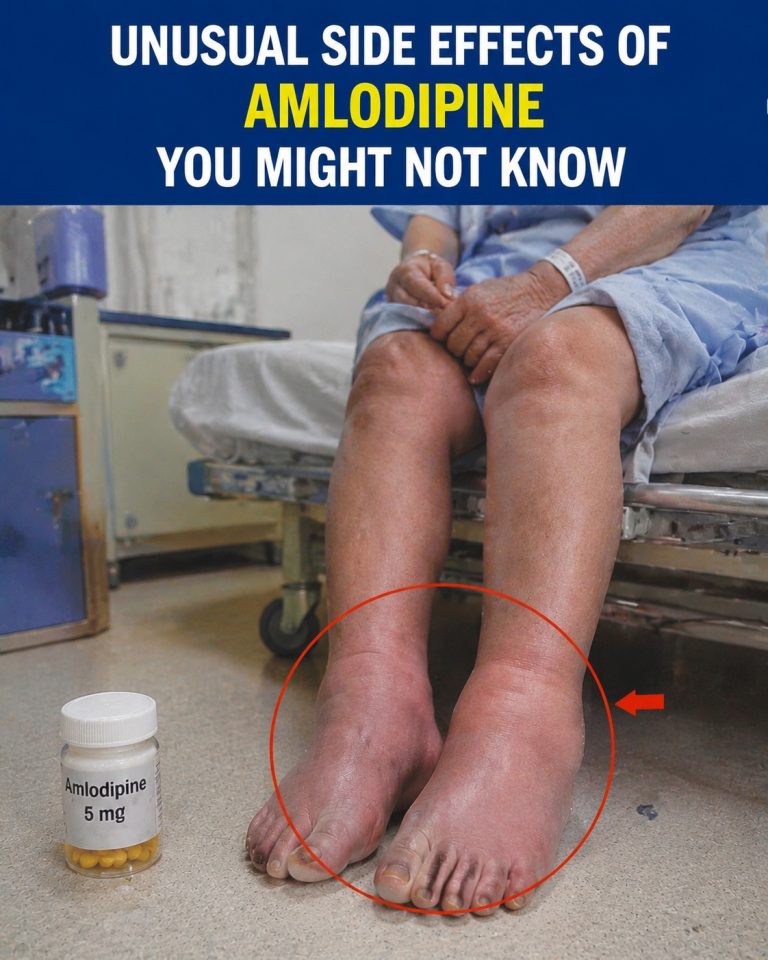
You’re doing your best to manage high blood pressure with amlodipine, yet you start noticing strange symptoms that no one warned you about — tender gums that bleed easily when you floss, a persistent heavy fatigue that coffee can’t fix, or unexplained muscle aches that make simple tasks feel harder. These issues can sneak up on you slowly, leaving you frustrated and wondering if they’re just part of aging or something else entirely. The truth is, while many people tolerate amlodipine well, some experience these lesser-discussed effects that often get overlooked during quick pharmacy handoffs. But here’s what makes the difference: understanding them early can help you have more informed conversations with your doctor and feel more in control of your daily health.

Why Amlodipine Can Cause Surprising Symptoms Most People Never Hear About
Amlodipine belongs to the calcium channel blocker family and works by relaxing blood vessels to lower pressure. That same mechanism, however, can affect other tissues in the body over time. Research shows that side effects sometimes appear gradually — often after 2 to 4 weeks when the medication reaches full effect — which is why many users don’t immediately connect the dots. But that’s not all. Some of these effects are less common yet still important to recognize because they can impact everyday comfort and quality of life.
Here’s the part that surprises most readers: these symptoms don’t always show up dramatically. They build quietly, and because they’re not the classic “swollen ankles” everyone talks about, they frequently get dismissed or blamed on stress, diet, or other medications.
Gum and Oral Health Changes That Can Affect Your Smile
One of the more noticeable but under-discussed effects involves your gums. Some people develop gum overgrowth, swelling, or increased bleeding during brushing or flossing. This happens because the medication can influence tissue growth in the mouth, especially if oral hygiene isn’t extra diligent.
Watch for these signs:
- Gums that appear thicker or puffy
- Bleeding that happens more easily than before
- Discomfort when chewing certain foods
The good news? Simple daily habits can make a real difference. Brush gently with a soft toothbrush twice a day, floss carefully, and consider an antimicrobial mouth rinse. Many dental professionals recommend scheduling a cleaning every three to four months while on this medication. If changes feel significant, mention them at your next check-up so your doctor and dentist can work together on the best approach.
But gum issues are only the beginning. Let’s look at what else might be happening inside the body.