Many people who “sense death” do not experience fear. Instead, they report clarity, acceptance, or a desire to put affairs in order.
Psychologists suggest this happens because:
-
The subconscious processes information faster than conscious thought
-
Emotional memory detects long-term decline
-
The mind shifts priorities when survival instincts fade
This can explain why some people suddenly:
-
Reconnect with loved ones
-
Resolve old conflicts
-
Talk about memories or legacy
Terminal Lucidity: A Well-Documented Phenomenon
One of the most compelling scientific observations is terminal lucidity.
What Is Terminal Lucidity?
Terminal lucidity refers to a sudden, temporary return of mental clarity shortly before death, even in patients with:
-
Advanced dementia
-
Brain injury
-
Neurological disease
Patients may:
-
Recognize family members
-
Speak clearly after years of silence
-
Express deep emotions or insights
Scientists believe this may occur due to:
-
Neurochemical surges
-
Reduced brain inflammation
-
Final metabolic changes
This phenomenon reinforces the idea that the brain becomes acutely aware as death approaches.
Changes in Behavior Before Death
Medical professionals often observe consistent behavioral patterns in people nearing death, including:
-
Decreased interest in food and social activity
-
Withdrawal and increased sleep
-
Sudden emotional openness
-
Speaking about death, travel, or “going home”
-
Giving away possessions
These behaviors are not mystical - they are part of the body and mind preparing for shutdown.
Dreams, Visions, and Near-Death Awareness
Some people report vivid dreams or visions of deceased loved ones before dying. While often interpreted spiritually, science offers possible explanations:
-
Reduced oxygen alters brain activity
-
The brain releases endorphins and serotonin
-
Memory centers become highly active
-
The mind seeks comfort and familiarity
These experiences may serve a psychological purpose: reducing fear and easing the transition.
Can Healthy People Sense Death Approaching?
In rare cases, healthy individuals report a sudden sense of impending death shortly before fatal events such as heart attacks or strokes.
Doctors acknowledge that:
-
The body may detect sudden cardiovascular instability
-
Nerve signals from the heart reach the brain before collapse
-
Stress hormones surge rapidly
This may explain why some people seek help moments before sudden de.ath.
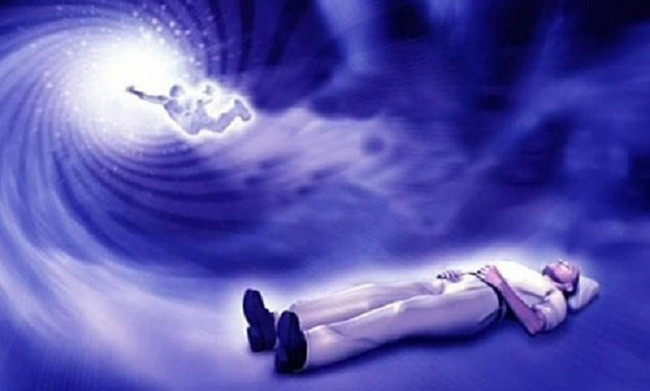
What Science Does NOT Support
It’s important to be clear about what science does not confirm:
-
No evidence of psychic prediction of death
-
No proof of supernatural foresight
-
No universal “death signal” everyone experiences
Not everyone senses death approaching, and many deaths occur without warning.