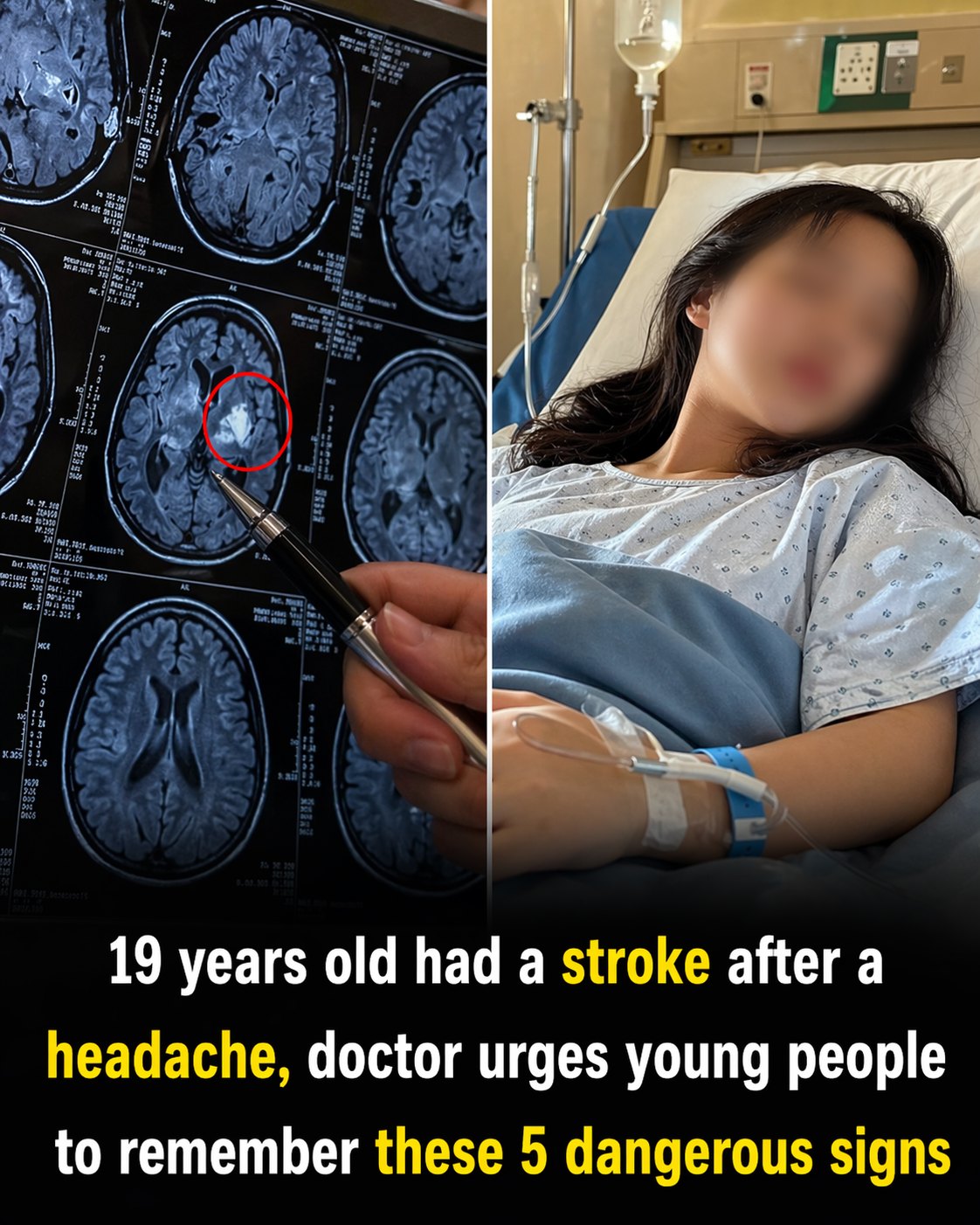
Here’s where things get critical. These symptoms can appear suddenly and may seem mild at first, which is exactly why young people often wait too long to seek help. Let’s break them down one by one.
1. Sudden, Intense Headache Unlike Anything You’ve Felt Before
A thunderclap headache that hits out of nowhere—especially if it’s the worst of your life—can signal a hemorrhagic stroke where a blood vessel bursts in the brain. Young adults sometimes brush this off as a migraine or tension headache after a long day. But research from the American Heart Association highlights that this type of headache, paired with vomiting or neck stiffness, demands immediate attention. Don’t wait to see if it passes.
2. Sudden Numbness or Weakness, Especially on One Side
Picture this: one arm suddenly feels heavy, your face droops on one side, or tingling spreads down a leg without warning. This classic sign happens when blood flow to part of the brain is blocked or reduced, killing brain cells within minutes. In younger people, it might feel like a pinched nerve or “sleeping” limb, but the one-sided nature is a red flag. The faster you act, the more brain tissue you can save.
3. Sudden Trouble Speaking or Understanding Speech
Words coming out slurred, trouble finding the right word, or suddenly not comprehending what someone is saying—these language disruptions point to affected areas in the brain responsible for communication. Young adults might attribute this to exhaustion or anxiety, yet it’s one of the most telling signs. Even subtle changes deserve serious attention because they can worsen rapidly.
4. Sudden Vision Problems in One or Both Eyes
Blurred vision, double vision, or sudden loss of sight in one eye isn’t just eye strain from screen time. It can mean the stroke is impacting the visual pathways in your brain. Many young people ignore this, thinking it’s dehydration or a headache side effect. But experts emphasize that any abrupt visual change, especially when combined with other symptoms, is a call to action.
5. Sudden Dizziness, Loss of Balance, or Trouble Walking
Feeling unsteady on your feet, sudden vertigo, or difficulty coordinating movements might seem like nothing more than low blood sugar or dehydration after a workout. Yet this balance disruption is a key indicator that the stroke is affecting the brain’s coordination centers. Here’s the part that surprises most young readers: this fifth sign is frequently dismissed because it feels “vague,” but pairing it with any other symptom dramatically raises the urgency.
But wait—there’s more to the story than just spotting the signs.

BE FAST: The Simple Test That Could Save a Life
Doctors and emergency teams rely on an easy-to-remember acronym to act quickly:
- B – Balance: Sudden loss of balance or coordination?
- E – Eyes: Any vision changes?
- F – Face: Does one side droop when smiling?
- A – Arm: Can both arms be raised evenly?
- S – Speech: Is speech slurred or hard to understand?
- T – Time: Call emergency services immediately.
If you notice any of these, don’t drive yourself—call for help right away. Time lost is brain lost.
Actionable Steps You Can Take Right Now
Protecting yourself doesn’t require a medical degree. Start with these practical steps:
- Know your numbers—get regular check-ups for blood pressure, cholesterol, and blood sugar.
- Move more and eat smarter: aim for 150 minutes of moderate exercise weekly and load up on fruits, vegetables, and whole grains.
- Quit smoking and limit alcohol—both damage blood vessels faster than most people realize.
- Manage stress through sleep, mindfulness, or therapy; chronic stress quietly raises stroke risk.
- If you have a family history or conditions like migraines with aura, discuss preventive strategies with your doctor.
Small changes today can lower your risk significantly, according to long-term population studies.