Take a look at your nails. Normally, the base of your nail (the lunula) is lighter. However, in some people with chronic kidney disease, the top half of the nail appears pink or brown, while the bottom half is white. These are called half and half nails, and while the exact cause isn’t known, there’s a strong link to kidney issues.
13, 12. Calcinosis Cutis and Artery Calcification
When kidneys can’t get rid of excess phosphate, levels in the blood rise. Phosphate can bind with calcium, forming crystals. If these crystals deposit in the skin, it’s called calcinosis cutis, appearing as hard, painless, whitish-yellow bumps. More concerning, these crystals can deposit in blood vessels, making them hard and less flexible. This artery calcification can be seen on X-rays as the arteries become visible, feeling like a guitar string under the skin. High phosphate also affects calcium levels, which can lead to muscle cramps.
11, 10. Muscle Cramps and Osteoporosis
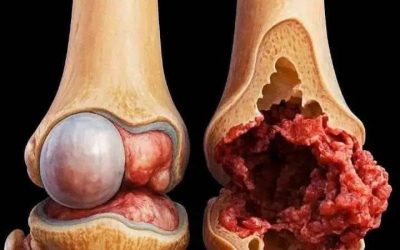
Low calcium levels, often linked to kidney problems and high phosphate, can cause painful muscle cramps, especially at night. Additionally, the body releases parathyroid hormone to try and get calcium from bones when levels are low. Over time, this weakens bones, leading to osteoporosis. Signs include height loss or fractures from minor falls, particularly in the wrist, spine, or hips.
9, 8. Itchy Skin and Restless Legs Syndrome
As toxins build up in the blood (uremia), they can irritate the skin, causing intense itching, often worse at night. These toxins can also make nerve endings more sensitive. Uremia can also contribute to restless legs syndrome, a condition causing an urge to move your legs, especially when trying to sleep. This is partly due to how toxins affect iron levels and the hormone hepcidin, which can lead to iron deficiency and the symptoms of restless legs.
7, 6. Metallic Taste and Loss of Appetite
When uremic toxins accumulate, they can affect your taste buds, leading to a metallic taste in your mouth, similar to licking a penny. These toxins can also make your breath smell like urine (uremic fetor). This change in taste and smell, along with toxins affecting the brain’s appetite control center, can lead to a loss of appetite, nausea, and unintentional weight loss.
5. Easy Bruising
Uremic toxins can make platelets, the blood cells that help stop bleeding, less sticky. This means people with kidney disease may bruise more easily, have more frequent nosebleeds, or experience bleeding gums when brushing their teeth.
4, 3. Uremic Frost and Pericarditis
In very advanced kidney failure, sweat can become so concentrated with toxins that it leaves a fine white powder on the skin when it dries – this is called uremic frost. Another serious sign is pericarditis, inflammation of the sac around the heart caused by uremic toxins. This can cause chest pain as the heart rubs against the inflamed tissue.
2. Fatigue (Anemia)
Kidneys produce a hormone called erythropoietin, which signals the bone marrow to make red blood cells. When kidneys are damaged, they produce less of this hormone, leading to anemia (low red blood cell count). This anemia is a major cause of fatigue, making even simple activities feel exhausting. Fortunately, this can often be treated with medication.
1. No Symptoms
It’s important to know that many people with chronic kidney disease, especially in the earlier stages (1-2), may have no noticeable symptoms at all. Often, kidney disease is only discovered incidentally through blood or urine tests. This highlights the importance of prevention and regular check-ups, especially if you have risk factors.
Prevention and Risk Factors
While many factors can affect kidney health, diabetes and high blood pressure are the most common culprits. Overusing over-the-counter pain medications like Ibuprofen and Naproxen can also harm kidneys over time. It’s wise to use these medications sparingly and discuss consistent use with your doctor, who can monitor your kidney function. Staying informed and taking steps to manage conditions like diabetes and high blood pressure are key to protecting your kidneys.